Surface-enhanced Raman spectroscopy biosensor platforms for pesticide residue detection: state-of-the-art developments and future outlook

Surface-enhanced Raman spectroscopy biosensor platforms for pesticide residue detection: state-of-the-art developments and future outlook
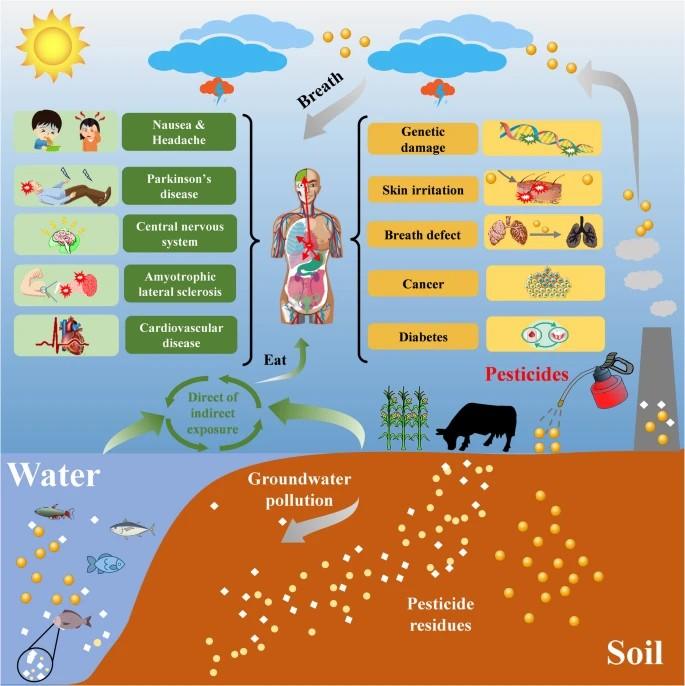
In the agricultural sector, pesticides are widely used to enhance crop yields and protect plants from pests and diseases. However, pesticide residues pose significant threats to humans, animals, insects and ecosystems. Accordingly, the rapid, sensitive, and accurate detection of pesticide residues is of great significance for protecting human health and the wider environment. Surface-enhanced Raman spectroscopy (SERS) is increasingly being applied for the detection of hazardous substances in foods. Furthermore, biological recognition elements (such as antibodies, aptamers, etc.) are widely applied in food safety assessment due to their high specificity and low cost. Combining bio-affinity elements with SERS technology can create efficient and accurate pesticide residue detection platforms. This review summarizes recent progress in the development of SERS biosensors for the detection of pesticide residues. Strategies for integrating specific recognition elements (especially antibodies and aptamers) with the plasmonic SERS nanosystems are discussed. Then, selected case studies are introduced highlighting the advantages of such SERS biosensors for pesticide detection, before future prospects of this research field are discussed. This review guides the development novel SERS biosensors for pesticides and other target analytes.